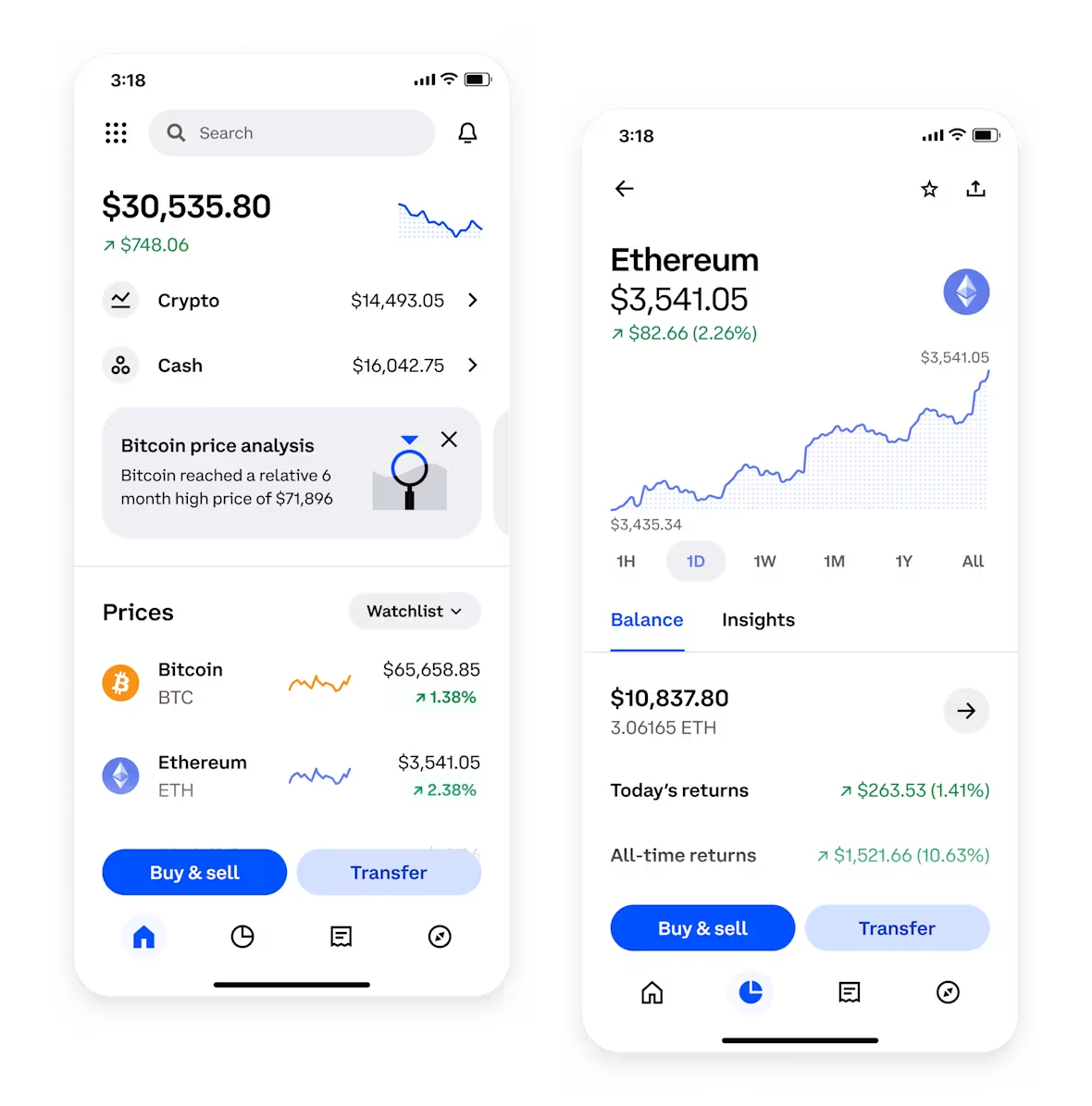

With the rapid expansion of the cryptocurrency ecosystem, choosing a secure and functional wallet has become a critical decision for both new and experienced investors. When users search for "How is the Binance Wallet official website," they are typically asking three key questions: is it trustworthy, what features does it offer, and how does it compare to other self-custody solutions? This article provides a detailed analysis of the Binance Wallet (formerly known as the Binance Extension Wallet) available through its official portal.
First and foremost, legitimacy is a primary concern. The Binance Wallet official website, accessible at wallet.binance.com (or directly via Binance.com), is a fully sanctioned product developed by the world’s largest cryptocurrency exchange by trading volume. Unlike many third-party browser extensions that pose security risks, the official Binance Wallet is a non-custodial browser extension wallet that allows you to securely store, send, receive, and swap crypto assets across multiple blockchains. Because it is linked directly to the Binance ecosystem, users benefit from the exchange’s extensive security infrastructure, including regular smart contract audits and advanced encryption protocols. However, it is crucial to verify the URL carefully—phishing sites mimicking "binance wallet" are common, so always ensure you are on the official domain before downloading or entering your seed phrase.
In terms of core functionality, the official Binance Wallet offers a robust experience. It supports a wide range of networks including Ethereum, BNB Chain, Polygon, Avalanche, and Arbitrum, making it a versatile tool for interacting with decentralized applications (dApps). One of its standout features is the seamless integration with the Binance exchange. Users can quickly transfer assets between their Binance Exchange account and the wallet, often with reduced gas fees. The wallet also includes a built-in swap feature that aggregates prices across decentralized exchanges (DEXs) to find the best rates. For users who prioritize simplicity, the "One-Click Buy" feature using fiat currency or credit card is a major convenience, though availability varies by region.
Security and self-custody remain at the core of the wallet’s design. When you create a wallet via the official website, you are given a secret recovery phrase (12 or 24 words) that is stored locally on your device. Binance never has access to this phrase, meaning you are the sole owner of your private keys. However, this also means that losing your recovery phrase results in permanent loss of funds—no customer support can recover it. The wallet supports hardware wallet integration (like Ledger), which adds an extra layer of physical security for high-value holdings. Additionally, the official version features phishing detection that warns users if they are visiting a suspicious dApp website.
Compared to competitors like MetaMask or Trust Wallet, the Binance Wallet offers cleaner integration with Binance services and lower swap fees for BSC-based tokens. However, it is slightly less established than MetaMask when it comes to Ethereum-based dApp compatibility. Users who heavily trade on Binance or use BSC will find the official wallet more convenient, while pure Ethereum DeFi users might prefer a more traditional alternative. Overall, the official Binance Wallet website provides a legitimate, secure, and feature-rich platform for storing and managing digital assets. As long as you download it from the correct source and store your recovery phrase offline, it remains one of the safest options for crypto storage in 2024.